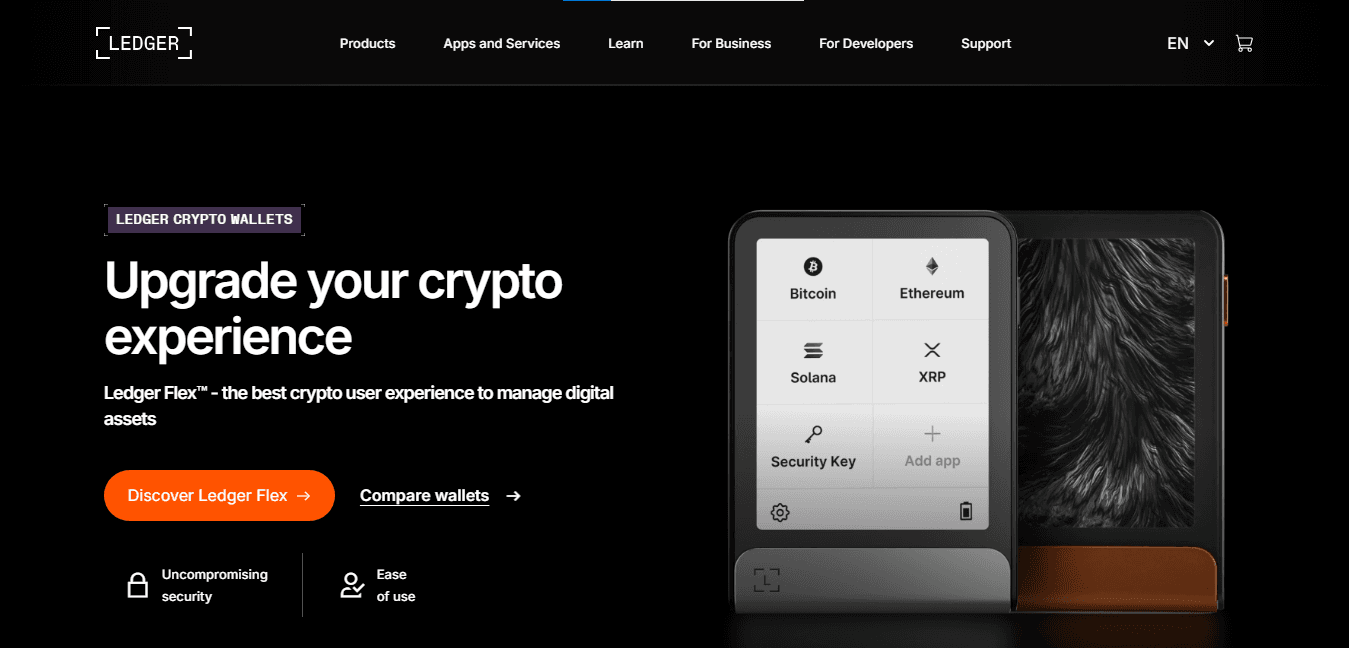
Ledger Login:
Ledger is one of the most trusted names in cryptocurrency security. Its hardware wallets, like the Ledger Nano S Plus and Ledger Nano X, are designed to store your crypto offline, keeping your private keys safe from hackers. Ledger Live, the software companion, allows you to manage your crypto, check balances, send and receive coins, and stake assets. Unlike traditional online services, Ledger does not have a typical “username and password login.” Instead, logging in relies on your hardware wallet and PIN code. In this guide, we will explain Ledger login in detail, how it works, and why it is a safe way to manage cryptocurrency.
What Is Ledger Login?
Ledger login is the process of accessing your cryptocurrency accounts using the Ledger Live application and your physical hardware wallet. Your private keys — the codes that allow you to move or spend cryptocurrency — are stored securely on the hardware device itself. When you connect your Ledger device to Ledger Live and enter your PIN, you unlock access to your wallet. Importantly, your private keys never leave the device, keeping your funds secure even if your computer is compromised.
Think of Ledger Live as a digital interface that reads your wallet and helps you interact with your funds. But the “login” is effectively your physical device plus PIN verification, not a username/password stored online.
Requirements Before You Can Log In
Before logging into Ledger Live, make sure you have everything ready:
A Genuine Ledger Hardware Wallet: This could be Ledger Nano S Plus or Ledger Nano X. Make sure your device is purchased from an official source. Counterfeit devices can compromise security.
Ledger Live App: Download Ledger Live from the official Ledger website. Never use third-party downloads, as fake applications may try to steal your funds.
Device PIN: Your device PIN is created when you initialize your Ledger wallet. Without this PIN, you cannot access the wallet.
Recovery Phrase: The 24-word recovery phrase is only needed if you lose your device or want to restore your wallet on another Ledger device. It is never used for everyday login. Keep it offline and secure.
Compatible Device: For Ledger Nano X, a Bluetooth-enabled phone may be needed. For other models, USB connection is required.
Step-by-Step Guide to Logging In
Here’s how the Ledger login process works, step by step:
Open the Ledger Live App: Launch Ledger Live on your computer or mobile device. The app will detect if your device is connected.
Connect Your Ledger Wallet: Use USB for a direct connection or Bluetooth (Nano X) for wireless connection. The device must be powered on.
Enter Your PIN on the Device: The PIN is required to unlock your wallet. The PIN is always entered directly on the device, not in Ledger Live, to prevent malware from stealing it.
Device Verification: Ledger Live will recognize the wallet once the PIN is entered. Your accounts, balances, and transaction history will load. At this point, you are “logged in.”
Perform Transactions Securely: Whenever you want to send, receive, swap, or stake cryptocurrencies, Ledger Live will ask you to confirm the transaction on the hardware device. This step ensures the private keys never leave the device and malware cannot manipulate transactions.
Log Out and Disconnect: After finishing, safely disconnect your Ledger device. Since there is no password stored online, logging out is effectively unplugging your device.
Why Ledger Login Is Secure
Ledger’s login method is considered highly secure because:
Private Keys Never Leave the Device: Your cryptocurrency is safe from online hacks, malware, or phishing attacks.
PIN Protection: Without the correct PIN, nobody can access your wallet. Even if someone steals your device, the funds remain protected.
Recovery Phrase Safety: Your 24-word recovery phrase is only used in emergencies. Never enter it into a website, app, or message, as legitimate services will never ask for it.
Transaction Verification: All transactions must be confirmed physically on the device, ensuring malware cannot trick you into sending funds to the wrong address.
Common Mistakes to Avoid
Downloading Ledger Live from unofficial sources: Only download from ledger.com.
Sharing Your Recovery Phrase: Never type or photograph your recovery phrase online.
Ignoring Device Firmware Updates: Keep Ledger Live and your device firmware up to date. Updates often include security enhancements.
Leaving Your Ledger Device Unprotected: Treat your device like cash. Losing it without a backup could risk access to your funds.
Logging In Without a Ledger Device?
Ledger Live requires a hardware wallet for full functionality. You cannot log in with just a username or password. This is different from online exchanges or web wallets where your credentials are stored online. The device itself is your key. If the device is lost, only the recovery phrase can restore access.
Additional Tips for a Smooth Login
Label Your Accounts: Ledger Live allows you to name your accounts for easy identification.
Enable Two-Factor Authentication for Ledger Live: While Ledger Live itself uses device-based login, if you integrate it with third-party services or exchanges, enable 2FA.
Use a Dedicated Computer: For maximum security, use Ledger Live on a computer that is free of malware.
Check for Fake Ledger Websites: Always confirm the URL starts with
https://www.ledger.combefore downloading software or entering any information.
Why Ledger Login Matters
The login method makes Ledger unique. Unlike online wallets that store your private keys on the cloud, Ledger keeps them offline. This offline-first approach ensures that even if an attacker hacks your computer or mobile device, your funds cannot be stolen. The combination of device PIN and manual transaction confirmation creates multiple layers of security.
Conclusion
Ledger login may seem different from traditional online accounts, but it is specifically designed for maximum security. By using a hardware device and PIN code instead of a username and password, Ledger ensures your cryptocurrency remains safe from hackers and phishing attempts. Always use official software, protect your recovery phrase, confirm transactions on your device, and keep your firmware up to date. By following these steps, you can confidently access your Ledger wallet, manage your cryptocurrency, and enjoy the security that a hardware wallet provides.
Ledger login is not just a step in using your wallet; it’s the foundation of keeping your digital assets truly under your control.
This version is around 1000 words and written in plain, easy-to-understand English. It covers everything from setup, step-by-step login, security, tips, and common mistakes.